
Editor’s Note (Updated July 28, 2026): Originally published in 2019, this article has been updated to reflect the latest research on how certain foods may influence the effects of medical marijuana.
Cannabis & Food
Marijuana can stimulate appetite. Anyone who has experienced the “munchies” knows that. It can also enhance the taste and smell of foods by tapping into the brain’s reward center.
And, there’s another equally rewarding flip side to the relationship between cannabis and food. Recent discoveries suggest that there are some foods that can enhance the marijuana experience. Read on to learn about several delicious and healthful food options that may actually increase marijuana’s effects on the body to amplify medicinal benefits and improve the nature of a high.
Chocolate
Cannabis and chocolate make a great pair. Eating chocolate before or while smoking or vaping – or eating cannabis-infused chocolates – can create positive and soothing effects that enhance and sometimes prolong the high.
There’s some interesting chemistry behind this effect, and it begins with anandamide, a naturally-occurring cannabinoid that influences brain chemistry through the same endocannabinoid receptors that respond to THC. Sometimes called the bliss molecule, it is produced by the human body to help regulate mood, memory, appetite, and pain. Anandamide is also believed to create the euphoric sensation known as a runner’s high that happens after exercise.
Chocolate contains anandamide, but in relatively small amounts. You would have to eat 10 to 20 pounds of chocolate to get anything near the euphoric effect created by the body’s natural release. Chocolate’s contribution to enhanced and prolonged euphoria instead comes from a pair of lipid acids that slow the breakdown of anandamide, allowing your brain’s natural bliss to linger a bit longer. Chocolate also contains compounds that promote relaxation, plus a natural stimulant known as the love molecule which floods the brain with mood-enhancing serotonin. Together, these effects can contribute to a more positive and relaxed marijuana high.
Green Tea
Research has verified the age-old belief that drinking green tea provides a number of health benefits. It can boost brain function, support heart health, help manage blood sugar and protect against cellular damage and painful inflammation.
The cannabis community reports that green tea can transform and a high by encouraging non-drowsy relaxation, helping maintain mental clarity and reducing negative thought patterns. These positive effects come from two unique compounds found within green teas, and black teas to a lesser degree.
Green tea is packed with powerful antioxidants known as catechins, which can tap into the body’s endocannabinoid system to help promote many of the health benefits listed above. The most abundant catechin released by green tea is epigallocatechin gallate (EGCG) which binds with receptors in the central nervous system to increase alpha brainwaves. Alpha waves promote the calm yet alert state associate with meditation and creativity. EGCE also boosts focus and mental clarity by helping maintain the brain’s production of beta waves, which encourage concentration and motivation. These higher-frequency brainwaves are typically suppressed by cannabis use.
The second beneficial compound activated by drinking green tea is L-theanine. This unique amino acid binds directly to endocannabinoid receptors in the brain. Like EGCG, it encourages alpha waves while also promoting relaxation by lowering heart rate and other stress markers. L-theanine also works in consort with the naturally-occurring caffeine found in green tea. This combination of stress reduction and mild stimulation evokes a state of relaxation without accompanying drowsiness. L-theanine may also produce a more positive high, as it has a proven ability to reduce the likelihood of experiencing cannabis-induced anxiety and paranoia.
Green tea has one more trick in the bag. The same anti-oxidant catechins that produce relaxing and clarifying brain waves may also prolong a marijuana high. They do this by suppressing liver enzymes that break down THC. This suppressing effect allows THC to stay in the bloodstream longer.
Edibles & Fatty Foods
The munchies are responsible for countless pizza deliveries. And, if you eat that double cheese pie before taking an edible, the high might be stronger and last longer. Research shows that consuming high-fat foods can increase the overall bioavailability and absorption of THC by up to four times as compared to taking edible marijuana on an empty stomach or after eating fat-free foods. The scientific explanation for this phenomenon is that cannabinoids are highly fat-soluble, and foods higher in fat trigger a process known as intestinal lymphatic transport that diverts more THC into the bloodstream before it is metabolized by the liver.
A recent study from the Netherlands found that high-fat meals also increased the bioavailability and absorption of oral CBD products. This finding should be of interest to medical marijuana patients focused on non-intoxicating CBD therapies.
Medical marijuana patients who are concerned about their diet will be pleased to know that fat-triggered boosts to cannabis edibles don’t just come from chowing down on bacon cheeseburgers. There are a whole range of heart-healthy foods rich in omega-3 fatty acids that produce similar results. Some examples include avocados, olive oil, salmon and a variety of nuts and seeds. This means prepping for an enhanced edibles session could be as easy as making a peanut butter sandwich or digging into some guacamole.
Edible users should keep in mind that body will take longer to digest a heavy, high-fat meal. This delay may affect the uptake of edible cannabis, resulting in a high that takes more time to kick in, but is more intense and longer-lasting when it does. It’s important to factor in this delay when dosing, and to resist the urge to second dose based on the belief that the first edible isn’t working. Double dosing edibles could create an unpleasant overload once the delayed effects hit.
The Mango Effect
Marijuana includes many natural terpenes which help marijuana cannabinoids activate the body’s natural endocannabinoid system. These naturally-occurring organic compounds don’t create a high, but they can influence the cannabis experience in subtle ways known as the entourage effect. The single most abundant cannabis terpene is myrcene, which can account for up to 60% of the plant’s total terpene profile. Studies confirm that myrcene can boost the body’s absorption of THC.
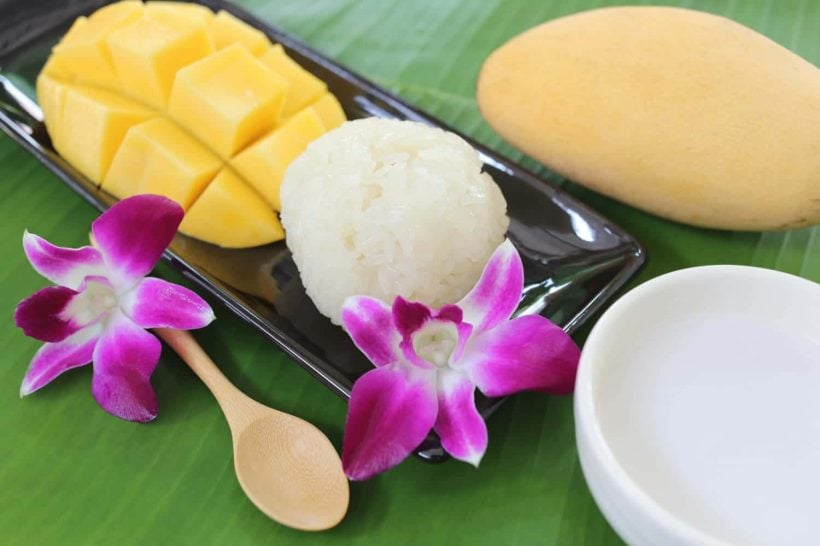
Because myrcene is also abundant in mangoes, there is a widespread belief within cannabis culture known as the “mango effect.” Proponents suggest that eating mangoes before consuming marijuana will help THC cross the blood-brain barrier more efficiently, potentially making the high hit faster, stronger, and last longer. Forums and social media are filled with testaments to the benefits of eating a ripe, fresh mango 30 minutes to an hour before consuming cannabis. At the same time, skeptics contend that the amount of myrcene contained in a mango is not enough to cause a significant effect.
One possible explanation for the mango effect is expectation. Behavioral scientists call this the placebo effect. Other sources point out that variables in individual body chemistry may play a role in mango’s beneficial effects, or lack thereof.
The scientific community offers mixed messaging on the merits of mangoes. A recent laboratory study from Indiana University concluded that while myrcene could stimulate key cannabinoid receptors in the brain, this effect requires far greater doses of the terpene that consumers would find in a serving of fresh mangoes. However, the researchers did not rule out the possibility that lower doses of mango-derived myrcene might stimulate the body’s endocannabinoid through alternate pathways.
Ultimately, the answer to the mango effect may be that it’s worth a try. At the very least, you will be eating some healthful fruit. And, if the high is actually enhanced, it won’t matter whether the cause is chemical or psychological.
Terpene-Rich Foods
Myrcene is just one of many terpenes found in cannabis. Foods high in other major terpenes may also influence the effects of marijuana.
Myrcene’s benefits were mentioned above. In addition to mangoes, myrcene is abundant in lemongrass tea and spices such as thyme, sweet basil, parsley, and black pepper. Hops are loaded with myrcene, but due to the risks of mixing alcohol and marijuana, the responsible choice would be a hops-heavy, non-alcoholic IPA or a glass of sparkling hops water.
Limonene boosts the body’s production of serotonin and dopamine, which can result in a more energetic and positive high. It is also known to help calm the anxieties and racing thoughts sometimes caused by THC. Citrus fruits like lemons, limes and grapefruits are good sources of limonene, as well as tropical treats such as papayas and pineapples. Cilantro is equally rich in limonene, and a savory way to reap its benefits is by adding a generous handful to a batch of guacamole.
Pinene can improve a marijuana high by increasing mental clarity and alertness. It does this by counteracting the acetylcholine suppressing effects of THC. Acetylcholine is an important neurotransmitter responsible for attention, memory, and structured thinking. Pinene’s additional benefit is respiratory comfort. It is a natural bronchodilator that helps expand the airway, allowing for smoother, deeper, fuller inhalations when smoking or vaping marijuana. Pinene is found in citrus peels and spices like rosemary, basil, dill, and parsley. Another savory source is pine nuts, which also contain the healthy fats that boost edible cannabis absorption.
Linalool taps into brain neurotransmitters that control GABA levels. The release of this natural amino acid slows nerve impulses to create a calming effect that helps control stress, fear, and anxiety. That’s why a cup of linalool-rich jasmine tea can be relaxing. Apricots, peaches, grapes, tangerines, mandarins, and blueberries deliver a significant serving of linalool, and you can also get it from veggies like corn, tomatoes and carrots.
Beta-caryophyllene is unique among the major cannabis terpenes because it can bind directly to cannabinoid receptors within the central nervous system to reduce anxiety and paranoid thoughts. It can also soften the intensity of a high. Broccoli is a good natural source of beta-caryophyllene. Black pepper is packed with it, and is considered a go-to remedy for softening the effects of cannabis overconsumption.
Sweet Potatoes
Cannabis forums and blogs often credit sweet potatoes with beneficial effects that enhance and stabilize a marijuana high. There are a lot of good reasons to include this superfood in a balanced diet. It provides complex carbs that can stabilize blood sugar levels, high-fiber and low-glycemic starches that can reduce the urge for high-sugar junk food binges, and B vitamins that release mood -boosting serotonin. However, there is no current scientific evidence confirming that eating sweet potatoes before or while using cannabis will have any measurable effect on the experience. As with mangoes, there may be some placebo effect. So, go ahead and dig into those sweet potato fries. They are unlikely to provide any noticeable changes to a smoked or vaped high, while the fat content may have a delaying effect on edibles.
Do You Have Questions About Medical Marijuana?
CannaMD‘s state-certified medical marijuana doctors are on call to answer questions and provide advice. Contact the CannaMD team at (855) 420-9170 today. Ready to get your card and purchase legal cannabis products? You can find out if you qualify for medical marijuana treatment with our quick online application!